Learn Dutch by reading what you love
- Click to translate words and phrases
- Practice with smart flashcards
- Read articles, books, and more
Why learn Dutch by reading?
Courses and apps teach you the basics. To get from there to fluency you need lots of Dutch that you understand, and reading is the easiest way to get it. You choose what interests you, go at your own pace, and see grammar and vocabulary used naturally, again and again.
Dutch looks familiar if you know English or German, but separable verbs and its word order take practice. Reading real Dutch is the best way to get comfortable with them.
What gets in the way is the words you don't know. Stopping to look each one up in a dictionary breaks your concentration, and it's easy to lose the thread of the story, and your motivation with it. On Readlang you click a word or phrase and its translation appears right above it, so you can keep reading. You can also ask for an explanation of a tricky phrase.
Every word you translate is saved as a flashcard together with the sentence you found it in. Spaced repetition brings each one back for review just before you'd forget it, so the words you meet while reading become words you know.
Dutch texts for every level
Pick something a little above your level that you'd want to read anyway. If you're translating a word in almost every sentence, try something easier; if you hardly need to click, move up. Everything below is free to read on Readlang.
Beginner (A1–A2)
You know some basic words and phrases. Start with short, simple stories:
- Arrival – a very short story about arriving in a new city by train
- Vakantie in Amsterdam – a short story about visiting Amsterdam
- Roodkapje – Little Red Riding Hood, retold in simple Dutch
Intermediate (B1–B2)
You can follow simple texts and want longer ones with richer vocabulary:
- Biografie van Marie Curie – the life of the scientist who won two Nobel prizes
- De Vertelling van het Hart – Edgar Allan Poe's The Tell-Tale Heart, adapted for learners
Advanced (C1–C2)
You're ready for literature and the news, written for native speakers:
- Het leelijke jonge eendje – Hans Christian Andersen's The Ugly Duckling, in a 19th-century translation
- Nederlandsche Sagen en Legenden – a collection of old Dutch legends
- NOS – the Netherlands' main public news service
- Dutch Wikipedia – look up any topic that interests you
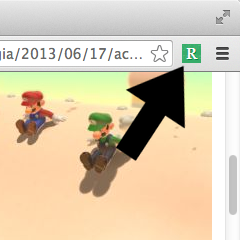
And the best source of all… you! Upload ePub books and text files, or install the Web Reader to read any website with Readlang.



Questions
Do I need to know any Dutch before I start?
A little helps. If words like "hallo" are new to you, spend a few weeks with a beginner course or app first. Once you know the basics, Readlang lets you read simple stories, and then anything you like, by translating the words you don't know yet.
Is Readlang free?
Yes. The free plan includes unlimited single-word translations and flashcard practice, plus a daily allowance of phrase translations and AI explanations. Premium removes those limits.
Can I read my own Dutch books and websites?
Yes. Upload DRM-free ePub books, text files or subtitles, or paste in any text. The Web Reader browser extension lets you click to translate on any website.
How does Readlang help me remember new words?
Every word and phrase you translate is saved with the sentence you found it in. Readlang turns them into flashcards and uses spaced repetition to bring each one back just before you'd forget it. You can also export your words to Anki.